Les équipages de Brussels Airlines peuvent-ils refuser de voler à Tel Aviv sans être sanctionnés ?
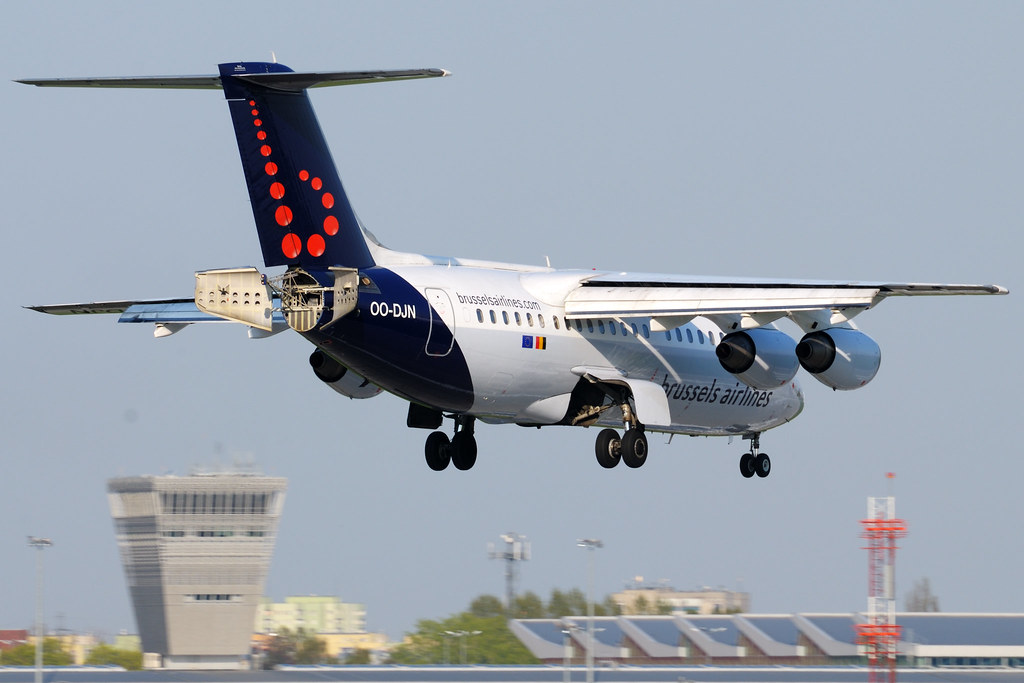
Brussels Airlines a confirmé le 3 septembre que les pilotes et l'équipage de cabine pourraient se déclarer inaptes à exploiter les services de Tel Aviv sans répercussions, après qu'un vol litigieux ait quitté l'aéroport de Bruxelles, malgré les craintes du…
En 30 secondes
- ACV Puls a déposé un avis de grève effective à compter du 1er septembre sur le classement normal pour les vols de Tel Aviv.
- Un vol de Brussels Airlines est parti pour Tel Aviv le 2 septembre malgré les manifestations syndicales.
- La compagnie aérienne a indiqué le 3 septembre que le personnel peut utiliser la procédure d'inadmissibilité sans répercussions.
- La Belgique conseille toujours de ne pas voyager à l'étranger en Israël et à Jérusalem.
Brussels Airlines confirmed on Thursday, 3 September, that pilots and cabin crew may decline Tel Aviv duties through its existing “unfit to fly” procedure without facing repercussions. The clarification followed union talks and came one day after a flight departed Brussels Airport for Israel despite reports that some employees aboard had not felt free to refuse the assignment.
The immediate dispute concerns a Belgian employer, its Brussels-based workforce and a route into airspace that European and Belgian authorities still treat as exposed to conflict-related risk. It also matters to passengers: the disagreement has produced a strike notice covering Tel Aviv services, although no wider disruption to the airline’s network has been announced.
ACV Puls representative Jolinde Defieuw told Belgian regional broadcaster BX1 that the union had information indicating some employees worked Wednesday’s flight against their wishes because they feared management sanctions. That remains an attributed union claim; the identities, number and individual accounts of the employees have not been made public.
The airline presents the issue differently. Spokesperson Nico Cardone said after Thursday’s consultation that Tel Aviv flights remain in the normal roster, but staff can use the aviation industry’s unfit-to-fly procedure when they do not feel psychologically capable of operating a service. Brussels Airlines stressed that employees may do so without fear of consequences. Another Tel Aviv flight departed on Thursday, BX1 reported.
This distinction is the heart of the disagreement. ACV Puls says an earlier arrangement provided for volunteers to operate the route after services resumed in early August. The union argues that a shortage of volunteers cannot justify compulsory assignments and that workers with serious safety or conscientious objections must be allowed to refuse without financial, professional or disciplinary consequences. Brussels Airlines says the volunteer phase covered the initial restart and that successful operations allowed it to return to standard rostering, while continuing to monitor conditions.
The competing assessments sit uneasily beside official guidance. Belgium’s Federal Public Service Foreign Affairs continues to advise against non-essential travel to Israel and Jerusalem because of the volatile regional security situation. Its advice, last updated on 1 July and still marked valid, warns that rockets, missiles or drones may target Israel and that another airspace closure remains possible. The guidance is advisory rather than a legal ban, however, and it is directed at travellers rather than airline operations or employment assignments.
At EU level, the European Union Aviation Safety Agency listed an information note for the entire Tel Aviv flight-information region, valid from 31 August to 30 September. It advises civil operators to take the potential threat into account in their own risk assessments and routing decisions. That is not an EU prohibition on flights. It leaves airlines responsible for operational decisions while giving unions grounds to ask how those risk assessments translate into protection for individual crews.
The broader question is therefore not simply whether an aircraft can fly safely on a particular morning. It is who carries the residual risk when a commercial route resumes before public travel warnings have returned to normal. For management, regularly scheduled services can coexist with continuous security monitoring and established fitness procedures. For ACV Puls, requiring an employee to invoke psychological unfitness is not necessarily equivalent to a clear, destination-specific right of refusal based on safety or conscience.
No Belgian minister or federal aviation authority was identified in the reviewed reporting as having intervened publicly in this workplace dispute. The government’s visible position remains its travel advice, while EASA supplies the EU-level aviation-risk framework. Brussels Airport in Zaventem is the point of departure, but the dispute concerns the airline and its employees rather than the Brussels-Capital Region or the EU institutions based in the city.
The next test is whether Thursday’s assurance satisfies ACV Puls and removes the threat of industrial action. It is not yet clear whether the strike notice will be withdrawn, how managers will document refusals, or whether conscientious objections qualify independently of psychological fitness. Any deterioration in regional security, change to Belgian travel advice or new EASA assessment could quickly alter both the flight schedule and the labour dispute.
Impact
Regional — L'impact direct est concentré à l'aéroport de Bruxelles à Zaventem, en Brabant flamand, où les équipages de Brussels Airlines se rendent à leur service et les services de Tel Aviv partent.
Sources et preuvesÉtabli · 2 sources primaires + 2 documents officiels + 1 source de presse indépendante · Sources de contexte: 1Explorer les preuves →Masquer les preuves ↑
- Publié le:
- 2 Sept 2026, 02:00
- Consulté par ODIN le:
- 4 Sept 2026
- Publié le:
- 3 Sept 2026, 02:00
- Consulté par ODIN le:
- 4 Sept 2026
- Publié le:
- 1 Sept 2026, 02:00
- Consulté par ODIN le:
- 4 Sept 2026
- Publié le:
- 1 Jul 2026, 02:00
- Consulté par ODIN le:
- 4 Sept 2026
- Publié le:
- 31 Aug 2026, 02:00
- Consulté par ODIN le:
- 4 Sept 2026
- Publié le:
- 16 Jan 2025, 01:00
- Consulté par ODIN le:
- 4 Sept 2026
Poursuivre la lecture

Cet article a été constitué à partir de preuves vérifiées, ses sources et son raisonnement étant enregistrés au fil de la rédaction.